

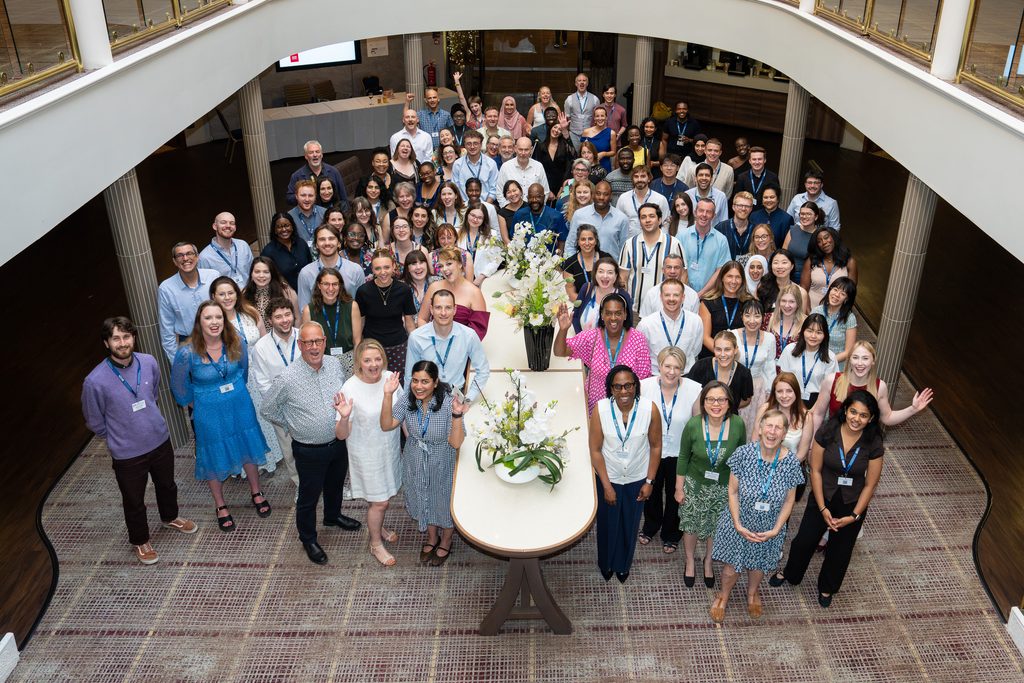
The annual NIHR Doctoral Training Camp brings together promising doctoral students from across the health and care research landscape for an intensive, collaborative deep-dive into the realities of securing future funding and shaping independent research pathways.
PhD students Faiza Yahya, Lauren Lawson, Jessica McCann and Liyuan Zhu recently joined this year’s cohort on 7th-9th July in Hinckley, tackling collaborative challenges, pitch simulations, and expert masterclasses. Here, in their own words, they share their personal highlights, key takeaways, and honest reflections on what the experience meant for their evolving careers:
“I remember looking at stressed academics when they have a grant application deadline approaching, as they try to shut off from the world to get this done in time. The stress, the late nights, the extra time put in around their already busy schedule, only to then get a rejection after rejection. That was enough to put me off and terrify me from ever wanting to put together a grant application! I didn’t think that would all change by attending the NIHR Doctoral Training Camp 2026. As the camp started, I remember feeling like I was on ‘The Apprentice’, I thought “what have I let myself into!?”. 24-hours to meet a whole new team of diverse backgrounds, figure out a research question, make multiple appointments with experts (methodologists, statisticians, PPIE contributors, finance, directors) to then write a competitive application for half a million pounds, and submit this by a 5pm deadline. Not only that but present this to a tough panel the next day. Easy right?! I must say that this was one of the best experiences I have ever attended, and I was fortunate to have such a lovely team and mentor, that made this a success. I was really shocked to hear that out of 10 very good teams and projects; we won the award for best application! My key takeaways from the experience were the importance of a good team, collaboration with different expertise and great mentorship are valuable, as well as active leadership and planning. We had embedded PPIE and inclusivity throughout the project which drove and shaped the application, and we were already thinking about future applications. I am very grateful to the NIHR for creating such useful opportunities for us early career researchers and NIHR Newcastle PSRC for nominating me to attend.”
– Faiza Yahya, PhD student
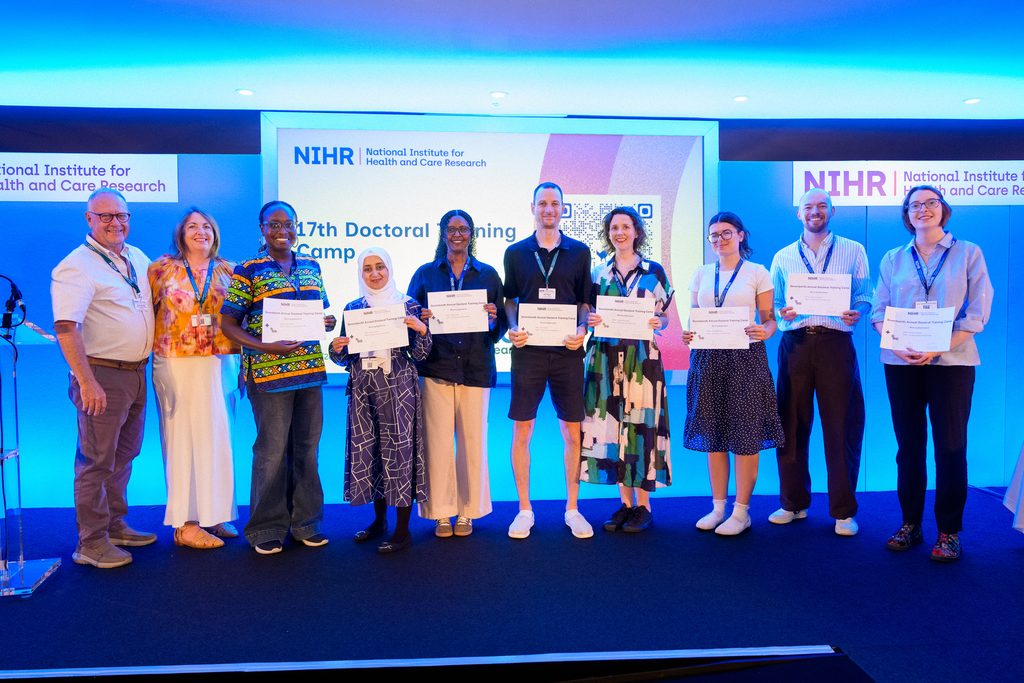
“I was honoured to attend the 17th NIHR Doctoral Research Training Camp. The three-day programme provided an intensive and highly rewarding opportunity to develop essential research funding skills while collaborating with doctoral researchers from a wide range of disciplines across the UK. A key challenge of the training camp was to work in newly formed multidisciplinary teams to develop a fictitious NIHR research funding application worth £500,000 within just 24 hours. From identifying an important research question and designing an appropriate methodology to considering PPIE, budgeting, anticipated outputs, and research impact, the exercise closely reflected the complexities of preparing a competitive funding proposal.”
“Working alongside researchers from diverse academic backgrounds highlighted the value of interdisciplinary collaboration. Although developing ideas within a newly formed team inevitably involved different perspectives and constructive debate, the experience reinforced the importance of effective communication, teamwork, and shared problem-solving in addressing complex healthcare challenges. I am sincerely grateful to the Newcastle PSRC for providing this excellent opportunity, from which I learned from experienced researchers and fellow delegates, and the knowledge, skills, and connections gained will undoubtedly support my future research career.”
– Liyuan Zhu, PhD Student
“Thank you to the NIHR academy for such an informative and challenging doctoral camp. It was fun to see familiar faces and meet fellow doctoral students from across the NIHR infrastructure. Although at times stressful, the camp was eye-opening and offered valuable insight into what a future career in academia entails.”
– Jessica McCann, PhD Student
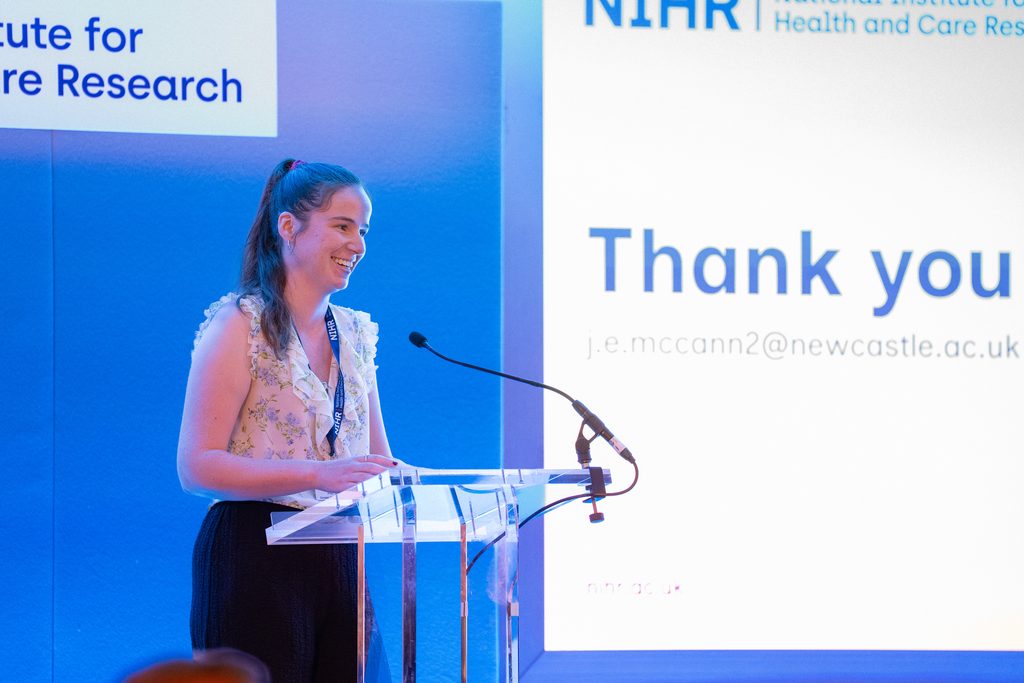
“Attending the NIHR Doctoral Training Camp was an opportunity to connect and collaborate with PhD students from across different branches of the NIHR infrastructure. As my research sits within the theme of safer integrated health and social care environments in the NIHR Newcastle PSRC, it was great to see such a strong emphasis on the importance of social care research throughout the busy 3-day programme. I also valued the focus on lived experience and realist approaches, both of which are central to my PhD and public engagement activities with unpaid carers. The event was a well-timed opportunity to learn from others, share perspectives and reflect on how diverse areas of research can come together to address complex challenges in health and care.”
– Lauren Lawson, PhD Student

Pictured left to right – Lauren Lawson, Faiza Yahya, Liyuan Zhu, Jessica McCann
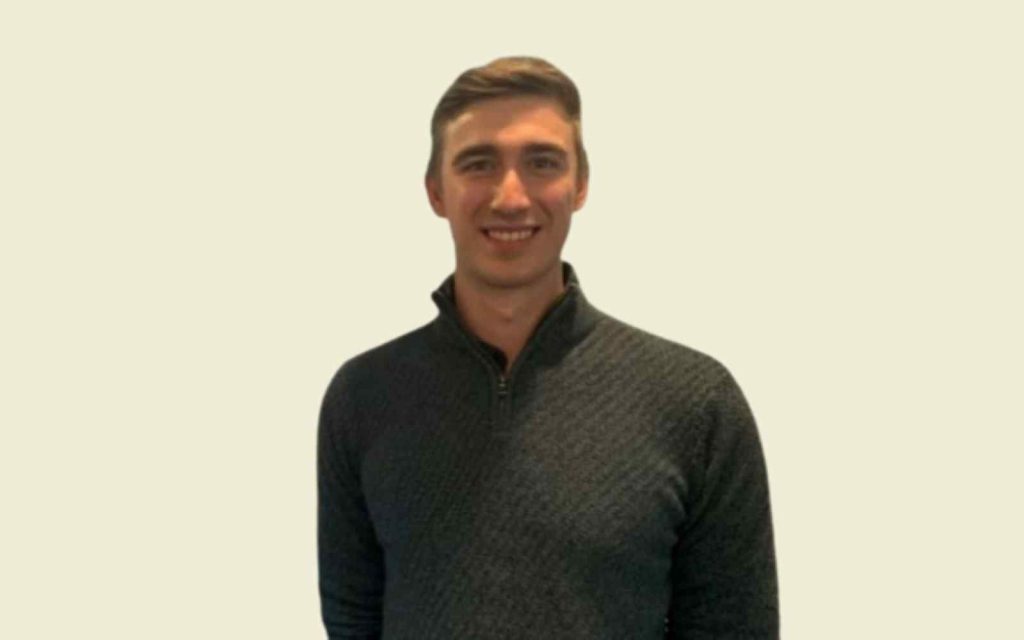
I am delighted to introduce myself as a new Clinical Research Fellow in Patient Safety and a member of the Academic Career Development (ACD) team here at the NIHR Newcastle PSRC. Joining the NIHR Newcastle PSRC is a fantastic privilege and something that I fully intend to make the most of. This opportunity feels like a natural next step in my research journey that has always been focused on making healthcare work better for the people who need it most.
My Background:
I am a Physiotherapist by background and am starting this position as a secondment from my NHS Trust – Tees, Esk and Wear Valleys NHS Foundation Trust (TEWV). My clinical career to-date has covered both in patient and community physical health settings, before a transition to working specifically within inpatient mental health settings for working age adults.
In these roles, I saw first-hand how complex the intersection of physical and mental health can be. It became clear to me that patients with severe mental illness (i.e. psychosis, schizophrenia, schizoaffective disorder, or bipolar disorder) often face many difficulties, not just from their primary diagnosis, but from the challenges of managing their physical health within a mental health setting. This is one of the areas that I hope to improve through my own research.
My Research Journey:
My introduction to clinical research was via a 9-month NIHR internship, leading to a 2-year part-time NIHR Pre-doctoral Clinical Academic Fellowship (PCAF). Following this I began my PhD part-time alongside my clinical work via a partnership between TEWV and York St John University.
My PhD has involved focusing on the complex relationship between physical symptoms (such as walking and daily functioning) and psychological symptoms (specifically anxiety and depression) in people living with Parkinson’s. This work has involved considering the perspectives of people living with Parkinson’s, their carers, and UK-based physiotherapists, alongside cross-sectional and longitudinal analysis of various physical and psychological assessments. I am approaching the end of my PhD and alongside preparing to submit, I am in the process of developing some recommendations for clinical practice.
My other research interests focus on promoting sustainable long-term lifestyle and behaviour change to improve both physical and mental wellbeing. I am particularly interested in how we can move beyond short-term interventions to create lasting habits that improve quality of life. In the context of patient safety, this means looking at how health behaviours, such as physical activity and self-management, can act as a safety net, reducing the risk of secondary complications and hospital readmissions for those with complex needs.
Looking Forward:
At the NIHR Newcastle PSRC, I’ll be wearing two hats that I’m equally passionate about:
- In Academic Career Development (ACD): I know how daunting the clinical academic path can feel. Having navigated my pre-doctoral and (almost!) doctoral routes, I am excited to support others in finding their own routes into research. To me this will focus on individual development alongside supporting impactful research.
- In Patient Safety: I’ll be applying my clinical experience to help recognise risks and improve safety, particularly for populations that often fall through the cracks of traditional healthcare systems. For example, I have recently been successful in obtaining NIHR Three School Prevention funding. This will fund the PATHS to prevention project to explore current provision of physical activity support during the transition between inpatient and community mental health settings. We hope to build on the findings of this work to co-design improved pathways for maximising long-term engagement with physical activity to help both physical and mental health.
Let’s Connect:
The best research happens when we work together. Whether you’re a clinician with a nagging research question or a fellow researcher interested in mental health safety, I’d love to chat. I’m new to the PSRC and Newcastle University so I’d also love to connect with other colleagues with similar research interests.
You can find more details about my publications on ResearchGate or read more about my personal journey via Routes to Research.
My usual working days within the PSRC will be Wednesday-Friday.

Figure 1 above
How it all began?
I remember attending my first Hospital at Home Society conference in 2024. At this point, I was in the early days of the PhD, eager to learn more about current developments in this research area. During the networking breaks, I remember introducing myself to keynote speakers and little did I know that this would be the start of a wonderful collaboration and supervision for the NIHR SPARC Award.
I was keen to discuss the priority research areas for Hospital at Home (H@H) and later that year, I came across the NIHR SPARC Short Placement Award for Research Collaboration | NIHR. I felt that this was a wonderful opportunity to work with a research team that had the expertise in H@H, who operationally had the research knowledge, the technical and practical expertise in this field, and the existing networks that I could learn from and engage with moving forward. Additionally, my aspirations for professional development to become a clinical academic drove my passion to work with a group of dedicated and trailblazing clinical academics. I felt this would strengthen my experience, especially when considering post-doctoral opportunities.
What is the SPARC award for?
The NIHR SPARC Award allows NIHR academy members to spend time with researchers across other NIHR infrastructure to enhance their personal and professional development and research training experience. From speaking to previous candidates, I learned that this is usually either to develop skills in particular research methods, or to develop collaborations and expertise from researchers in a particular field.
What I did?
The application itself allows you to be quite flexible in how you undertake the placement, which is helpful depending on what you want to achieve. Personally, I had set out 1 day a week over 9 months, whereas other previous applicants undertook it in block placements (e.g. in a 4-week block).
During the placement I managed to conduct clinical visits to H@H services to get the first-hand practical experience. I attended clinical meetings and research meetings linking in with other health tech research centres in the NIHR infrastructure. As part of the award, I also accounted for attending courses and conferences around implementation science and knowledge mobilisation which I felt would be useful for my professional development and demonstrating meaningful impacts with research. The bulk of the collaborative work centred around working on a multi-phase research project. This involved a literature review and arranging an online stakeholder workshop with clinical experts nationally to discuss the findings. This also involved working with a visual minutes artist and presenting the findings at the UK Hospital at Home Society Conference 2026, at the Royal College of Physicians in Edinburgh, which supported input into the survey with H@H practitioners.
Outputs of the placement?
This placement allowed us to develop a Taxonomy of Medicines Safety in Hospital at Home which is aimed for upcoming publication. This enables a better understanding of the concepts of medicines safety in H@H and the links between them. Although the aim of the placement is professional development, I was fortunate to have an abstract accepted for oral presentation at the UK Hospital at Home Society conference in 2026, which is planned for submission to the Journal of Advanced Home Medicine. Additionally, a visual minutes graphic produced from this work is displayed below (See Figure 1).
Blog produced by Faiza Yahya (PhD Candidate), with acknowledgements to the support and supervisory team at the University of Warwick (Professor Daniel Lasserson, Dr Ciara Harris, Sophie McGlen) and the NIHR for funding this award. Appreciation also goes to the Academic Career Development Leads (Newcastle University and NIHR ARC West Midlands) for making this happen.
Pippa Wood NIHR Newcastle PSRC Operations Manager
I went to the NIHR SafetyNet Organisational Culture working group meeting in Birmingham on a cold day in January. I wanted to learn what “organisational culture” means and how it links to patient safety.
So, what is organisational culture?
After listening to researchers from different PSRCs, I learned that organisational culture is basically how people at work get along. It includes the relationships between colleagues, managers, departments, services and different job roles.
How does this affect patient safety?
The way people treat each other at work can directly affect the care patients receive. If communication and relationships between teams are poor, things can go wrong.
For example:
- A patient might be sent home from hospital, but no one tells their family or carers, so no one is there to meet them.
- A family may still be waiting for a call to say they can collect their loved one, only to find out the patient has already been taken home by hospital transport.
But when communication and teamwork are good, patients get much better care.
For example:
- Maternity staff might tell new mothers about breastfeeding support available in their community.
- If an older person is having surgery, hospital staff may work with community care teams and family members to plan what help the patient will need at home.
The biggest thing I learned
If staff are unhappy, feel unappreciated, experience bullied, or feel insecure in their jobs, this can lead to poor communication and bad relationships at work. This can then cause poor-quality services, lower standards of care, and higher risks to patient safety.
But if staff feel happy, valued, and supported, they are more likely to work well together. Good relationships between teams mean better services, higher standards of care, and safer experiences for patients.

Dr Matthew Cooper, NIHR Newcastle PSRC Safer Integrated Health and Social Care Environments, Research Associate
Dr Matthew Cooper, NIHR Newcastle PSRC Safer Integrated Health and Social Care Environments, Research Associate
Broadening My Understanding of Organisational Culture
Attending the organisational culture working group helped me to broaden my understanding of what organisational culture truly represents. Initially, I viewed workplace culture mainly in terms of supporting staff wellbeing and keeping people happy and healthy at work. Through the discussions, I realised how strongly organisational culture also influences patient safety and the consistent delivery of high-quality care.
Exploring the Ambition of the 10‑Year Plan
The working group explored the ambition of the 10-year plan, which is expected to drive change both during the next 10 years and for the future beyond. This however highlights some key risks:
- That pressure to deliver quickly could lead to rushed decisions,
- Missed input from some disciplines (implementation science for example), or
- Action being taken without full consideration of the plausible impacts (for example removing resources from one service to fund a new idea).
A strong emphasis was placed on transparency of quality of care, including empowering patients through greater voice, choice and access to information. This was balanced alongside clearer accountability and stronger incentives for high-quality care. I was particularly struck by the challenge of double running costs, where services must continue to operate while resources are reallocated, and the importance of deliberately creating time for safety within this context.
Reaffirming the Core Purpose of Organisational Culture
Overall, the working group reinforced that the core goal of organisational culture is to support patients, underpinned by robust checks and balances, compassionate leadership, and a shared commitment to quality and safety at every level of the system. As a team at the NIHR Newcastle PSRC, this is something we are all hoping to reflect on and take forward in our research.
Learn more about the NIHR 10 year plan.
by Nathania Bestwick NIHR Newcastle PSRC PhD student
I was grateful to travel to London for the PSYCH Symposium 2025 on Thursday, 4th December. This symposium brings together researchers, therapists, doctors, policymakers, investors, and campaigners to talk about the latest research in psychedelic medicine and how psychedelic therapies may be used in mainstream healthcare to treat mental health conditions.
I attended the symposium with Radin Karimi, another PhD student from the NIHR Newcastle Patient Safety Research Collaboration (PSRC). Like my own work, Radin’s research looks at how to better manage polypharmacy (which is when people take many different medicines at the same time). Medicines used to treat mental health conditions often add to this problem, so we were interested to find out if psychedelic therapies might help people manage their mental health so they can take fewer medicines. We were also keen to learn how patient safety is managed in this developing area of research.

The symposium focused on a range of conditions, including depression, anxiety, PTSD, addiction, eating disorders and distress near the end of life, particularly for people who have not responded to more commonly used treatments. Speakers shared evidence showing that psychedelic medicine, such as psilocybin, MDMA and ibogaine, can help to ease symptoms in people with these conditions. They also explained that psychedelic therapies may help people process deeper emotional problems behind their symptoms, which can lead to longer-lasting improvements in well-being. Several speakers had worked with military veterans and shared how these therapies have helped them manage PTSD, support their mental health, and feel better in everyday life after leaving the military.
Patient safety was a major focus throughout the symposium. Research in this area is strictly regulated, with people being carefully checked (called screening) before they’re invited to take part, and with study information being clearly explained so that people can make an informed choice when agreeing to join a study. Therapies are provided in carefully controlled and supportive treatment spaces by highly trained therapists and healthcare professionals, with close monitoring during sessions, and follow-up support after the treatment to help people understand their experiences and get the best results from the treatment.

Professors David Nutt and Guy Goodwin had an interesting discussion about recent results from a large study which showed that a single dose of synthetic psilocybin helped people with severe, long-lasting depression, with higher doses leading to bigger improvements in symptoms. They also spoke about drug laws creating stigma around psychedelic research, even though there is growing evidence that these substances can have real health benefits and that they may be less harmful than legal drugs, such as alcohol and tobacco.
One example of how psychedelic medicine is being used in standard healthcare came from Professor Ranil Gunewardene, who described how he is leading one of the first clinics in Australia to offer regulated psychedelic-assisted therapy. Since his research is with patients who have complex health conditions (called real-world patients), it may give us helpful insight into how these therapies can be used outside of highly controlled research environments.
In summary, the symposium showed that psychedelic medicine has promising potential to improve care for people with mental health conditions, particularly those that are difficult to treat. It also highlighted that more research is needed and that building upon the current evidence base will help us better understand how effective and safe these treatments are, and how they can be carefully and appropriately used as part of standard healthcare.
Details and bios for each of the speakers can be found here
Yahya F, Cooper M, Saif W, Kassem M, Nazar H Development of a Hospital at Home Digital Twin for Patients With Frailty: Scoping Review Journal of Medical Internet Research 2025;0:e0 URL: https://www.jmir.org/2025/1/e81510 doi: 10.2196/81510
What’s this about?
How can we make the most of advanced technology and live information to improve how we deliver hospital-level care at home?

What’s this about?
How can we make the most of advanced technology and live information to improve how we deliver hospital-level care at home?
Why are we looking at this?
The NHS 10-year plan wants to:
- Move more care from hospitals closer to home
- Prevent illness instead of just treating it
- Use more digital tools to support care

What is the work we are doing?
We explore all three by using something called Digital Twins. A Digital Twin is like a live virtual simulation of a patient and their surroundings using real-time information. It can help healthcare professionals predict problems early, to give care that’s safer and more personalised.
Learning from, and working with other experts, our work looked at creating a simple step-by-step model, which can be used to develop a Hospital-at-Home Digital Twin. This review was based on existing evidence for tools to support this, for patients living at home with frailty.
What does this mean?
- Technology and real-time data can help health professionals care for patients at home more efficiently.
- Digital Twins could make care timelier, safer, and tailored to each person.
- We’ve outlined the main building blocks for creating a Hospital at Home Digital Twin.
This work is just the beginning, but it shows how technology could possibly change the world of healthcare and what needs to be worked on to make this possible.
For those that want to know more:
Our article reviews the current evidence for tools that exist to support the development of a Hospital at Home Digital Twin. We describe the 5 layers required to build a Digital Twin. Results show that a variety of technologies exist to pick up information, such as wearables. However more understanding is needed of how we manage that data, store it, translate it and use it to make useful predictions to help staff who are looking after us make decisions. This article also talks about some of the challenges and opportunities we may face when using these technologies in our current healthcare system.
Experience of participation and poster presentation.
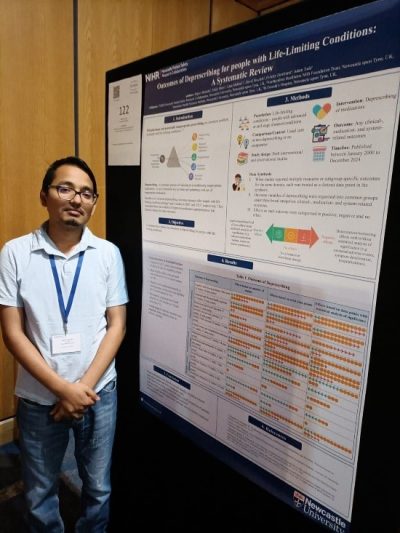
By PhD Student Rajeev Shrestha
On 18th July 2025, I got the opportunity to attend the Great North Pharmacy Research Collaborative (GNPRC) Conference, held at the Hilton Hotel, Gateshead. This event brought together pharmacy professionals, researchers, and pharmacy trainees to explore innovations in medicines optimisation, collaboration, and workforce development.
A key highlight for me was presenting my poster titled “Outcome of Deprescribing in People with Life-Limiting Conditions: A Systematic Review”. This study aimed to synthesise evidence on the clinical-, medicine and system-related outcomes of deprescribing practices among palliative patients. I had an opportunity to interact with fellow attendees during the poster viewing sessions that really sparked meaningful conversations around the safer use of medication. Personally, it was encouraging to see the ongoing works on reducing inappropriate use of medication by practising pharmacists.
The conference agenda was rich with insightful sessions. I particularly appreciated the breakout session on “Shared Decision Making and its Role in Reducing Overprescribing,” which also resonate with the area of my research. The growing emphasis on collaboration across sectors, from community pharmacies to NHS manufacturing, highlighted the evolving role of pharmacists in shaping safer, more effective care pathways.
Overall, GNPRC 2025 was a valuable experience to me. The event inspired new ideas, informed ongoing initiatives and deepened our commitment to contributing to quality use of medications.
Natalia Ochodzka, MSci Biomedical Sciences Graduate
Natalia held a summer internship between May and June of 2024 with Dr Matt Cooper. Natalia worked on a systematic review looking to identify digital toolkits used in the self-management of long-term conditions within the home and reflects on her internship here:
Hi! I am Natalia, a recent graduate of MSci Biomedical Sciences with a Professional Placement Year programme at Newcastle University. I was also a research assistant at the School of Pharmacy for six weeks in May and June this year. My project was a scoping review focused on home-based interventions that support mental and physical health self-management in patients with multiple long-term conditions. I was based at the Newcastle Patient Safety Research Collaboration office and spent 60 hours surrounded by a wide range of researchers – from undergraduate interns, through research assistants and doctoral candidates to associates.
The nature of a literature review is very methodological; you need to follow certain steps to diligently get through thousands of publications to narrow your search to the most relevant reports, which then combined will (hopefully) suggest an answer to your research question, or at least provide you with the most relevant information on the search topic. Although it seems like an individual job, the part of the internship I enjoyed the most was interacting with my team! Daily discussions on topics related (and not so much) to our research questions made me realise that there is no one right way to do things right and that I should never limit myself to thinking in the regular, three-dimensional way. I learned distinctive styles of working, studying, and teaching, and all of it combined made me a better researcher. I saw the value and consequences of diligent work ethics, networking, and collaborating with people from outside of your study/ work circle. I am certain that this experience alongside the support received at PSRC will empower my future in clinical research, focused on physical activity and experimental medicine.

Eleanor Allen MSc Forensic Psychology Graduate
Eleanor held a summer internship between May and June of 2024 with Dr Matt Cooper. Eleanor worked on a project evaluating a hospital to home discharge service with a local charity. Eleanor reflects on her internship:
My research internship spanned six weeks and primarily involved the design and delivery of a service evaluation. This project was commissioned by a local charity and focused on hospital-to-home transitions in care. Coming from a forensic psychology background, the project area was relatively unfamiliar to me. Nevertheless, the skills required were transferable, allowing me to utilise my previous experiences as a volunteer researcher, in court, and from my research methods training. While I had some prior experience with qualitative data collection, this was the most immersed and involved I had been with a project. I was responsible for coordinating participants, data management and conducting one-to-one qualitative interviews with the charity staff members. Throughout the data collection process, we reflexively updated the interview schedule, meaning that every interview influenced future iterations of the questions. This led to effective and meaningful data collection and allowed me to incorporate my insights from the interviews. I presented my initial reflections and findings at the School of Pharmacy conference. The event gave me the opportunity to discuss the project with others from a broad range of academic disciplines, and gain insight into the research community at the school. I was particularly interested in the language used by charity staff members, especially relating this to self-identification as a barrier for carers seeking help. Often, staff held dual roles as carers and employees, and their language reflected how normalised their caring roles were. The conference was an excellent opportunity to meet other researchers and learn about ongoing projects within the school.

Overall, this internship was extremely valuable. Conducting research in an applied context was highly rewarding, and despite my background in forensics, I was able to apply my existing skills to the role. My experience and insights were valued by the research team, and I felt able to contribute meaningfully to the project. I also developed novel skills, such as communicating with a wide range of people, including participants, external partners, and academics. My qualitative interviewing and data management skills were also strengthened through the project. I am happy to say that I have now started as an assistant psychologist in an NHS Trust conducting research! I spoke about my experience with qualitative interviewing and recruitment in my application. Above anything else they seemed to like how I spoke about rapport building and connecting with people. I’m super grateful for the experience because it really built my confidence with that. Thank you Matt!
Arisha Ahmed MSc Pharmacy Graduate
Arisha held a summer internship between June and August 2024, supervised by Dr Matt Cooper. Arisha worked on a systematic review looking to identify digital toolkits used in the self-management of long-term conditions within the home and reflects on her internship here:
This summer I undertook a research internship with the School of Pharmacy at Newcastle University with Dr. Matthew Cooper as my supervisor. This project has allowed me to develop skills valuable in both research and my own professional development. My role within the team included, developing a systematic search strategy, navigating research databases (e.g. Medline, Embase, PsychINFO and CINAHL), study selection, evaluation of research quality in addition to completing a data extraction. Whilst the project was rewarding, we faced a few setbacks that taught us important lessons about the research process. For example, the screening process and data extraction took longer than initially anticipated which impacted the long-term plan of the project. These challenges taught us the importance of setting realistic deadlines and maintaining flexibility within project planning. The setbacks allowed me to truly understand the complexity of the research process as well as the importance of delegating tasks to each team member effectively to ensure a robust and timely piece of research was produced.
The findings from this research will continue to contribute to ongoing research activities within the School of Pharmacy at Newcastle University. Outcomes from this project aim to advise healthcare providers with invaluable knowledge as well as inform advancements in digital medicine. The project team are particularly interested in how to inform and guide Artificial intelligence (AI) systems to create AI driven health solutions. These innovations have the potential to significantly improve patient care and enhance clinical decision-making in the future.
As a healthcare professional, this internship has allowed me to critically analyse studies, assessing their rigor, relevance and impact to provide evidence-based care to my patients. It has also enhanced my appreciation for the vast array of research available to us in medicine. I am excited to further explore how medical policy, and advancements can be shaped by research, and I hope to pursue a career in research alongside my role in the NHS, focusing on integrating innovative digital solutions to patient care.

Kayleigh Davison Lead Advanced Pharmacist Practioner and NIHR In-Practice Fellow, Newcastle University,
Supervised by Professor Andy Husband (Director of NIHR Newcastle PSRC) and Dr Anna Robinson-Barella (EDI Theme Lead for NIHR Newcastle PSRC).

Hi I am Kayleigh Davison, Lead Advanced Pharmacist Practitioner and NIHR In-Practice Fellow, Newcastle University. I’ve recently become the only pharmacist to be awarded a National Institute for Health and Care Research (NIHR) In-Practice Fellowship, which I’ll be balancing alongside my clinical work in General Practice. The NIHR In-Practice Fellowship is an incredible opportunity that will allow me to develop as a researcher without stepping away from my clinical work. I started working in general practice as part of the NHS pilot for Clinical pharmacists in general practice and now work as an Advanced Pharmacist Practitioner. I have always worked and wanted to work within primary care providing the first point of contact in the healthcare system for our patients providing holistic care. I have been very fortunate to develop clinically within primary care over the years under the supervision and mentorship of excellent GPs. Through this time I have developed a special interest in polypharmacy (when patients are prescribed multiple medications) and in particular over 15 regular medications.
My research focuses on polypharmacy (when patients are prescribed multiple medications) and health literacy. Health literacy is basically how well someone can understand and use health information to make decisions. Shockingly, 61% of adults struggle with understanding basic health information. For those on many medications, this can make managing their treatments much harder. But the connection between polypharmacy and health literacy hasn’t been thoroughly explored in the literature yet. My aim is to shed some light on this issue and find ways to better support patients who may find complex medication regimens challenging.
My advice for others that may want to consider a clinical academic career is to start talking to your colleagues in academic institutes about your ideas or opportunities that may be available. There is also a lot of support available via National Institute for Health and Care Research (NIHR) and within our region we are fortunate to have NHIP academy who supported me alongside the academics within the Newcastle Pharmacy school throughout my application process explaining the different fellowship options to giving me feedback on drafts, the academy was there every step of the way.
Lauren Lawson and Radin Karimi, NIHR Newcastle PSRC Safet Integrated Health and Social Care Environments & Safer management of polypharmacy in multiple long-term conditions Theme, PhD students.
The NIHR Academy Member’s Conference, held in Leeds on the 19th and 20th of November 2024, brought together researchers at all career stages to network and learn more about work supported by the NIHR. This year’s theme, Research Impact: Beginning with the End, emphasised planning for meaningful communication of research findings to diverse audiences.
A highlight of the event was the skills workshop led by Dr Oli Williams and Dr. Joe Langley on creative methods for impact. Here, we saw examples of creative projects, including evidence-based role-play scenarios given to participants to reconstruct serious incident investigations, encouraging empathy and insight. Another innovative project used a 3D model of a leg to visualise the effects of ‘pyjama paralysis’ on muscle mass in hospitals, and uneven-soled shoes illustrated the impact on balance. These creative approaches showcased how researchers can engage audiences and make their findings resonate, inspiring new ways to share and develop research.

NIHR Newcastle PSRC PhD students Faiza Yaha, Lauren Lawson and Radin Karimi
The second day of the NIHR Academy Member’s Conference kicked off with an exciting and creative networking session using LEGO® SERIOUS PLAY. Attendees worked in groups to answer impact-related questions by building LEGO models, sparking new ideas and fresh perspectives on research challenges. This interactive activity highlighted how stepping outside traditional methods can inspire innovative solutions and stronger collaboration.
A standout moment was the keynote speech by Dr. Raphael Olaiya, known for his role on CBBC’s Operation Ouch! and as a data scientist in the NHS. Dr. Olaiya shared how he combines his expertise in science with engaging communication to reach broad audiences, encouraging researchers to think about how they share their work in meaningful ways.
The conference left attendees motivated to explore creative approaches to making their research more inclusive and impactful. It was a strong reminder of the power of collaboration and innovation in driving research that makes a real-world difference.